Interview practice designed for Aerophysicists.
Upload your resume, tell us your target role, and we interview you based on your actual experience. Get feedback you can use immediately, so you walk in calm and prepared.
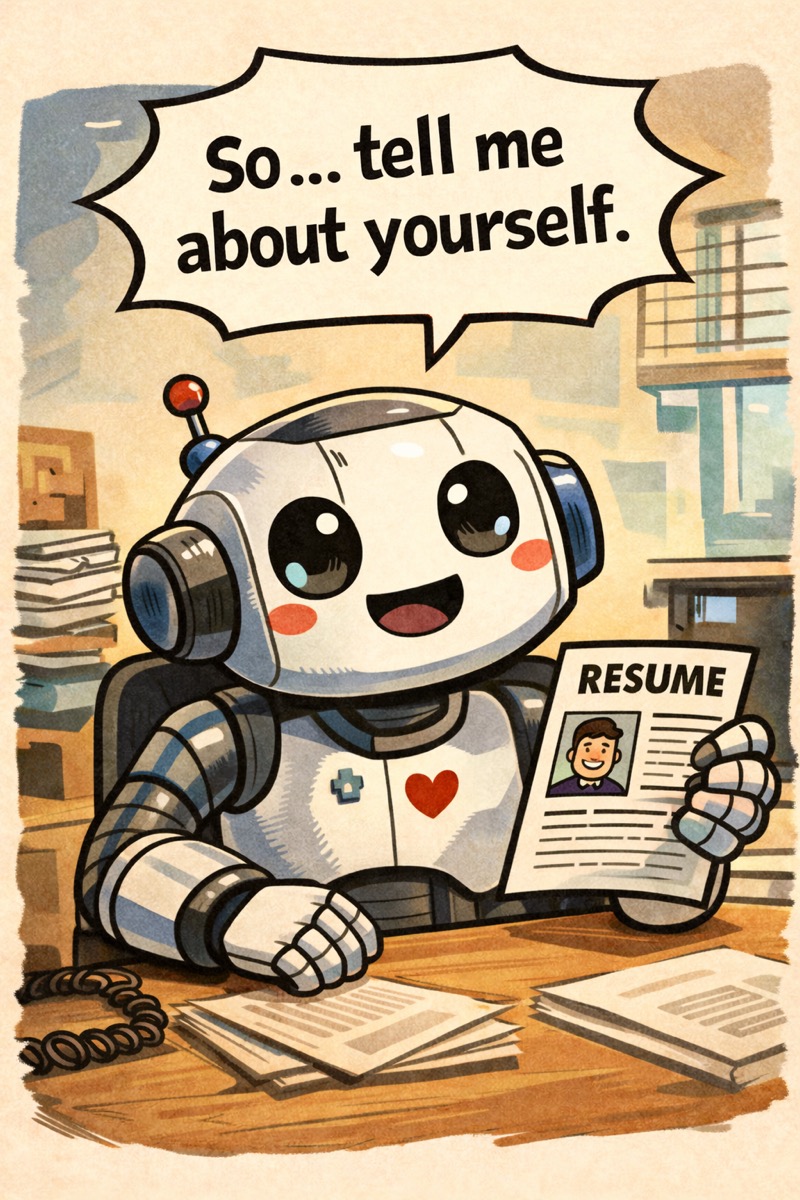
How it works
Upload your resume
We extract the key experiences and skills so your questions match your real background.
Tailor the interview
Tell us the industry, role, and target companies. We build an interview tailored to your experience and target job.
Get actionable feedback
Strengths, gaps, and rewrites to help you sound confident in your real interview.
From resume to tailored interview
- Led a 6-person lab team to design and characterize silicon photonic ring resonators, improving Q-factor from 8k to 22k and reducing insertion loss by 1.3 dB using COMSOL and MATLAB modeling.
- Built an automated cryogenic measurement pipeline (4 K) for superconducting thin films, cutting test time per wafer from 3 hours to 40 minutes with Python control scripts, LabVIEW DAQ, and SQL-backed logging.
- Developed a Monte Carlo radiation-transport model for a medical imaging prototype, matching Geant4 dose profiles within 5% and informing shielding changes that reduced stray dose by 18%.
- Authored 3 peer-reviewed papers and presented results at APS March Meeting, translating experimental data into design recommendations that increased device yield from 62% to 78% over two fabrication runs.
Why practice first?
Interviews are high-pressure
Even strong candidates underperform without reps. Practice reduces stress and sharpens delivery.
Rehearsal builds muscle memory
You get comfortable telling your story, quantifying impact, and handling curveball follow-ups.
Feedback accelerates improvement
Immediate, actionable notes help you close gaps before the real interview.
Average session rating from beta users
Report feeling more confident after one session
Typical time to complete a full mock interview
Pricing
Explore by role
Current role category: Physicists