Interview practice designed for Distribution Engineers.
Upload your resume, tell us your target role, and we interview you based on your actual experience. Get feedback you can use immediately, so you walk in calm and prepared.
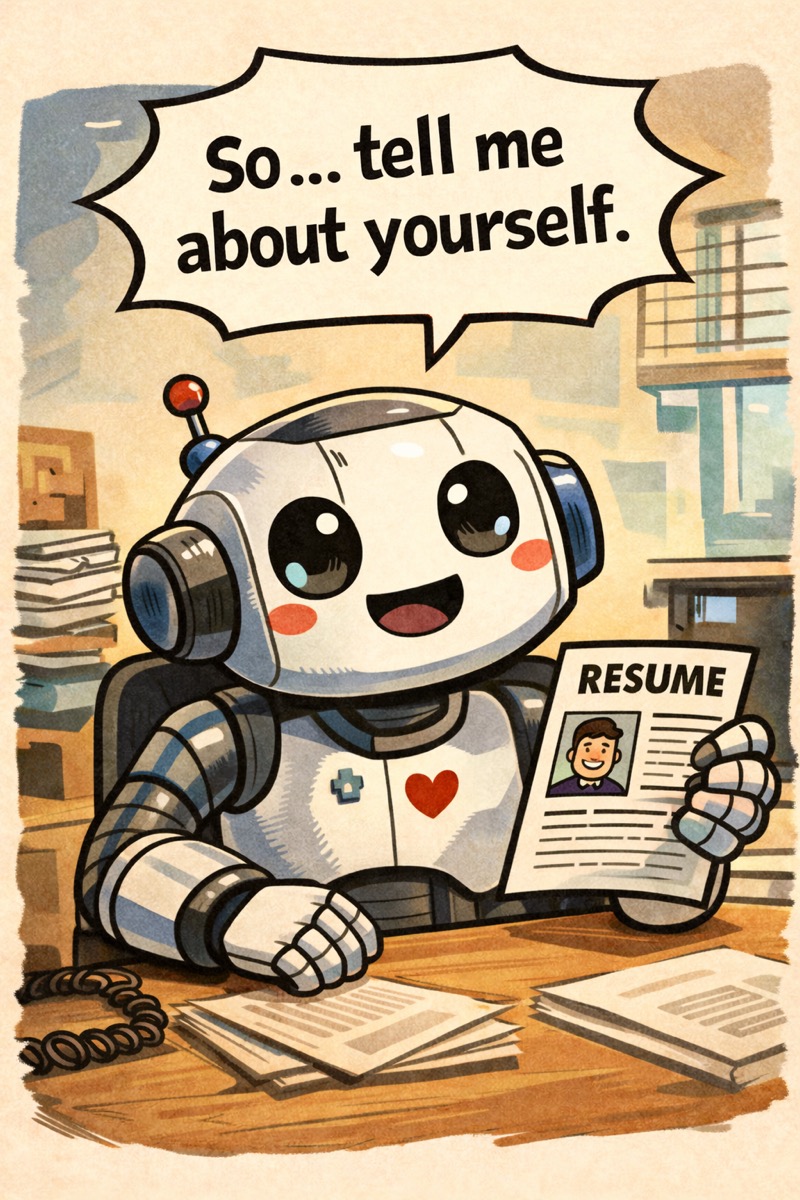
How it works
Upload your resume
We extract the key experiences and skills so your questions match your real background.
Tailor the interview
Tell us the industry, role, and target companies. We build an interview tailored to your experience and target job.
Get actionable feedback
Strengths, gaps, and rewrites to help you sound confident in your real interview.
From resume to tailored interview
- Led redesign of an industrial centrifugal pump impeller in SolidWorks using ANSYS CFD, improving hydraulic efficiency by 6.8% and reducing cavitation-related returns by 22% over two quarters.
- Owned tolerance stack-ups and GD&T for a 14-part actuator assembly, cutting scrap from 4.1% to 1.6% by revising datums and updating inspection plans with CMM programming.
- Developed DFMA-driven sheet-metal enclosure for an embedded control unit, reducing part count from 23 to 15 and lowering unit cost by $18 while meeting IP54 and -20C to 60C requirements.
- Ran a pilot for vibration and thermal validation on 12 prototypes (accelerometers, IR thermography, HALT), identifying a bearing preload issue that increased L10 life by 35% after design change.
Why practice first?
Interviews are high-pressure
Even strong candidates underperform without reps. Practice reduces stress and sharpens delivery.
Rehearsal builds muscle memory
You get comfortable telling your story, quantifying impact, and handling curveball follow-ups.
Feedback accelerates improvement
Immediate, actionable notes help you close gaps before the real interview.
Average session rating from beta users
Report feeling more confident after one session
Typical time to complete a full mock interview
Pricing
Explore by role
Current role category: Mechanical Engineers